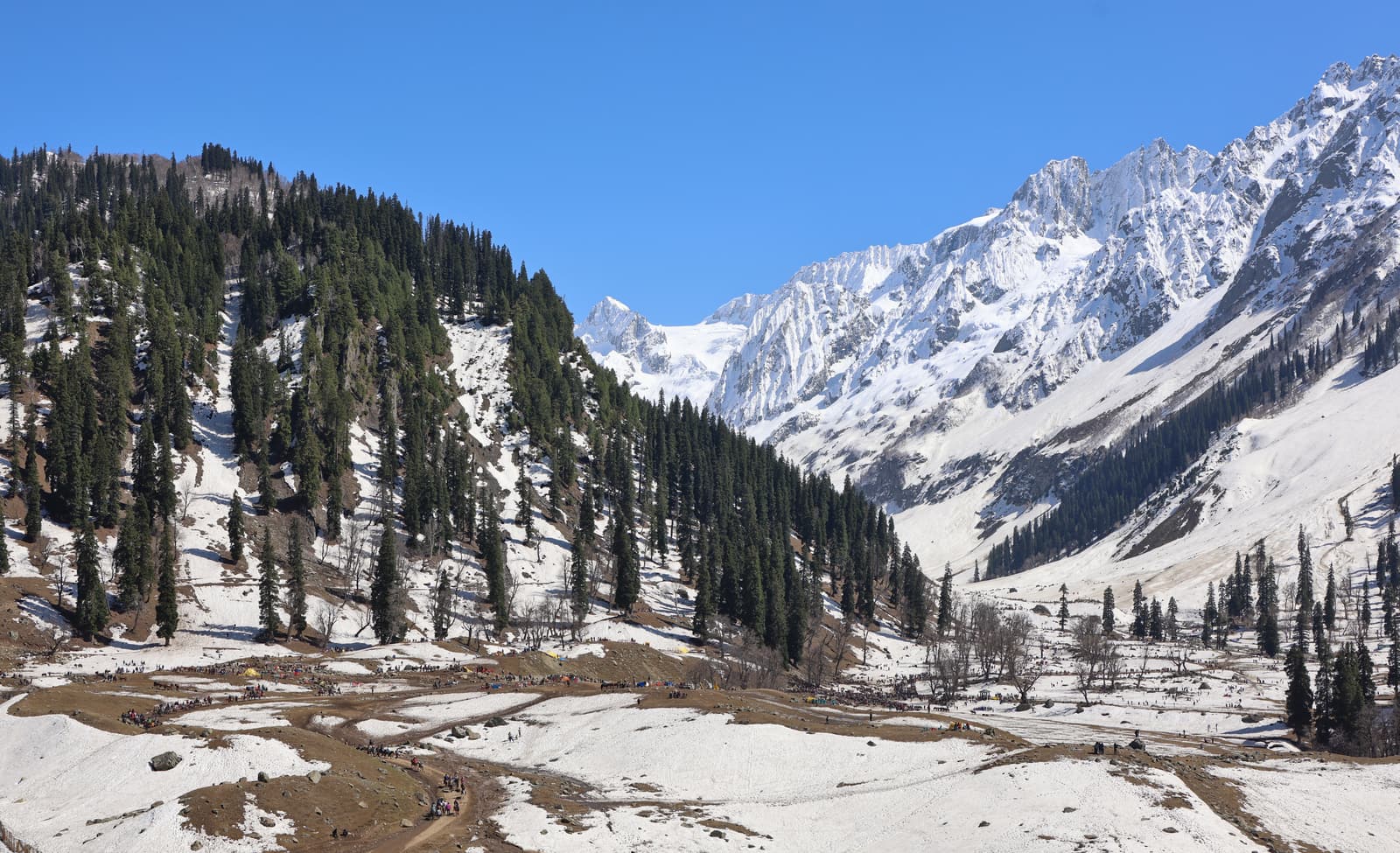
The Kashmir Valley is enclosed by mountains, and for most of its history getting in meant crossing a high pass. Today there are three realistic ways in: fly to Srinagar, take the train on the new Udhampur–Srinagar–Baramulla Rail Link, or drive the Jammu–Srinagar highway through the tunnels under the Pir Panjal.
Here are the options at a glance. Times are typical; allow extra in winter and on holiday weekends, and always check the latest schedules.
The options, compared
| How | From Delhi | From Jammu | Best for |
|---|---|---|---|
| Flight to Srinagar (SXR) | ≈1.5 h non-stop | Short hop, limited flights | Almost everyone — fastest and simplest |
| Train via Katra (Vande Bharat) | Train to Katra/Jammu, then ≈3 h to Srinagar | ≈3–4 h | Rail fans, spectacular scenery, flight-free travel |
| Road via NH44 | ≈800 km, 2 days | ≈250–270 km, 6–8 h | Road trips, groups, flexible stops |
| Mughal Road (seasonal) | Via Jammu and Poonch | Long, scenic | Adventurous road trippers in summer |
| Srinagar–Leh highway (seasonal) | — | — | Combining Kashmir with Ladakh |
By air: Srinagar International Airport
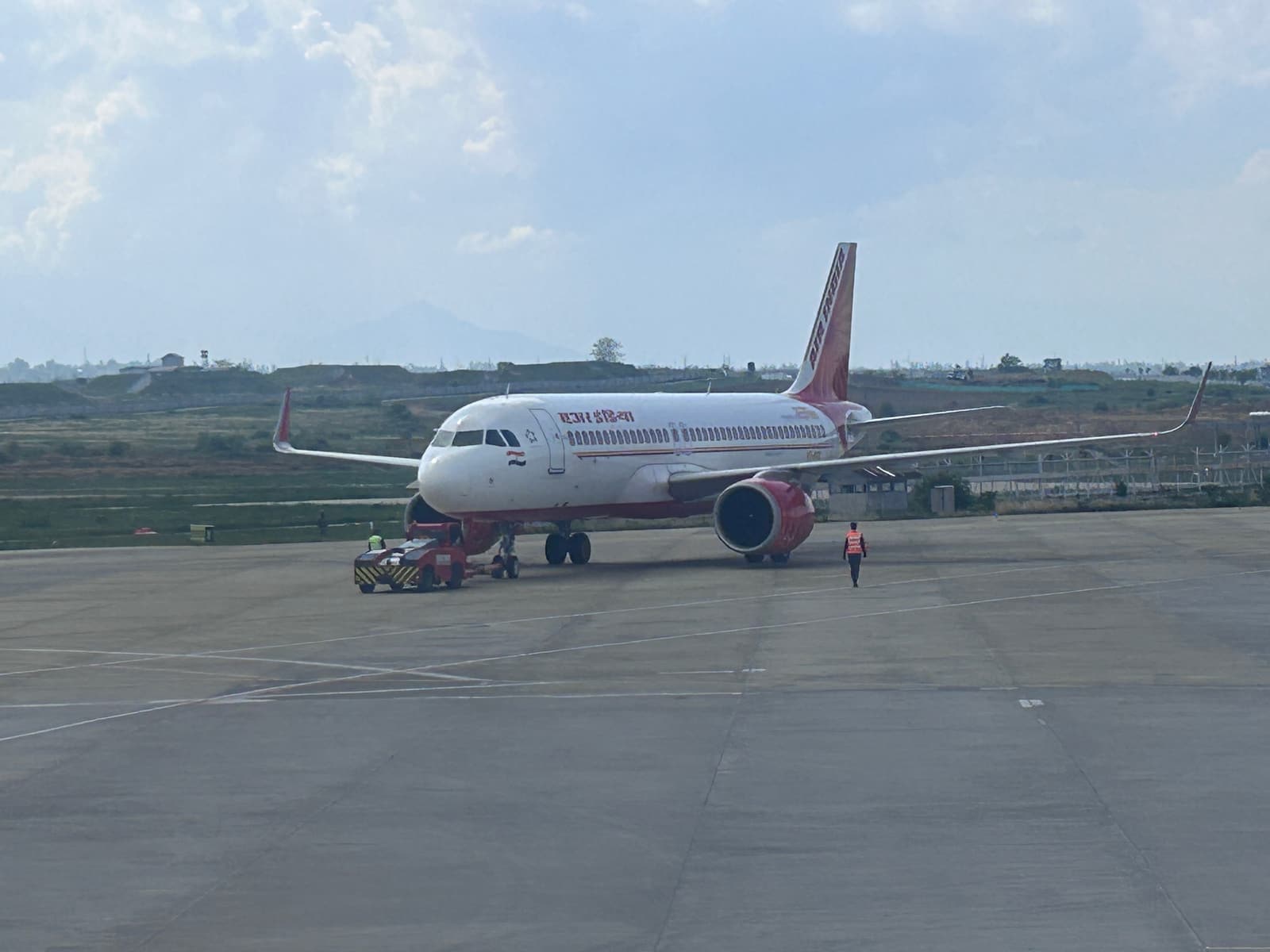
Srinagar International Airport (SXR), about 12–15 km south-west of Dal Lake, has direct flights from Delhi (around 1.5 hours) and from Mumbai, Bengaluru, Kolkata, Chandigarh, Hyderabad, Ahmedabad and other cities, depending on the season. It is also an air force base, so security is thorough: expect a checkpoint on the approach road, a baggage screening before check-in and more checks inside. Arrive at least two to two and a half hours before departure. Pre-paid taxis wait outside arrivals.
By train: the Vande Bharat to Srinagar
After decades of construction, the Udhampur–Srinagar–Baramulla Rail Link (USBRL) now connects the valley to India’s rail network. It crosses the Chenab Bridge — the world’s highest railway arch bridge — and the cable-stayed Anji Khad bridge, and tunnels under the Pir Panjal to Banihal. Vande Bharat express trains run between Shri Mata Vaishno Devi Katra and Srinagar in around three hours, and through services from Jammu and further afield have been announced or introduced in phases. Schedules, stops and booking rules are still evolving — check the latest timetable on IRCTC before you plan. Within the valley, local trains also run between Banihal, Srinagar and Baramulla.
By road: the Jammu–Srinagar highway (NH44)
The main road into the valley runs about 250–270 km from Jammu via Udhampur, the Chenani–Nashri tunnel, Ramban and Banihal, then through the Navyug tunnel under the Banihal pass to Qazigund. With the newer tunnels and bypasses the drive takes roughly six to eight hours, but landslides, snow and one-way traffic regulation can close or slow the road, especially in winter and the monsoon. Shared taxis (Sumos) and buses leave from Jammu; private taxis are easy to arrange. Check the traffic advisory issued by the J&K traffic police before you set out.
Other road routes
The Mughal Road from Bafliaz near Poonch over the Pir ki Gali pass to Shopian is a spectacular alternative, usually open only from late spring to autumn. The Srinagar–Leh highway crosses the Zoji La pass beyond Sonamarg into Ladakh; it is normally open from around late spring to early winter, and many travellers combine Kashmir and Ladakh this way.
Getting around the valley
Srinagar has plenty of taxis and auto-rickshaws; for sightseeing, hire a taxi for the day (rates are often fixed by the taxi stands and tourism authorities) or book a guided day trip. Note the local union rules: in Pahalgam outside taxis generally cannot drive to Aru, Betaab Valley and Chandanwari, and in Sonamarg and Gulmarg local taxis, ponies and sledges handle the last stretches. App-based cabs have limited coverage.
Mobile phones and SIM cards
This catches many visitors out: prepaid mobile connections issued outside Jammu & Kashmir generally do not work in the territory, while postpaid connections from the rest of India usually do. If you have a prepaid SIM, plan to use hotel Wi-Fi, switch to postpaid before you travel, or buy a local connection in Srinagar with ID and address verification (it can take some time to activate). International visitors should check whether their roaming works; buying a local SIM requires passport and visa documents.
Security checks and advisories
Expect visible security forces, checkpoints and occasional traffic restrictions, particularly around the airport, on highways and during major events or pilgrimages. Carry photo ID at all times (foreign visitors: your passport). Security arrangements and access to some areas can change at short notice. Before you go, read your government’s current travel advice — some countries advise against travel to parts or all of Jammu & Kashmir, which can affect travel insurance — and follow instructions from local authorities.